Key Differences to Consider When Planning Corporate Events Compared to Personal Events
At a glance, it’s easy to assume that most events are essentially the same. After all, they share similar components and a common goal of bringing people together. However, the reality is more nuanced. The finer details of event planning vary significantly depending on the type of event you’re organising. Broadly speaking, events can be categorised into two main types: corporate and personal social.
While both aim to create memorable gatherings, corporate and personal events operate on entirely different priorities, expectations and success measures. Corporate events are more outcome-driven, while personal events are more experience-driven. Understanding these differences is crucial because it directly influences the decisions you make throughout the planning process. Here are a few key aspects to keep in mind, shaping everything from your choice of venue and vendors to the overall flow, tone and experience of your event.
Purpose and Objectives
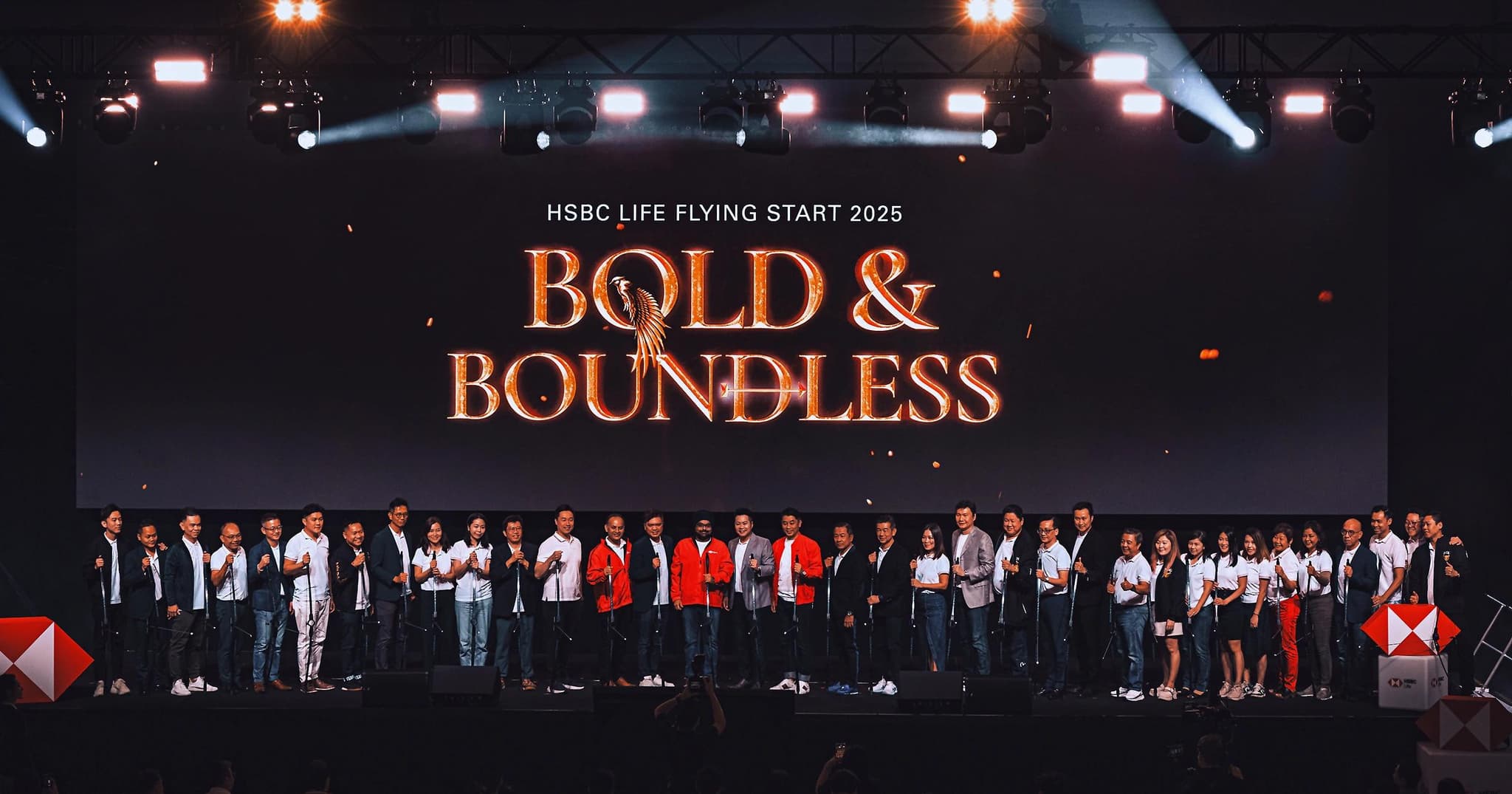
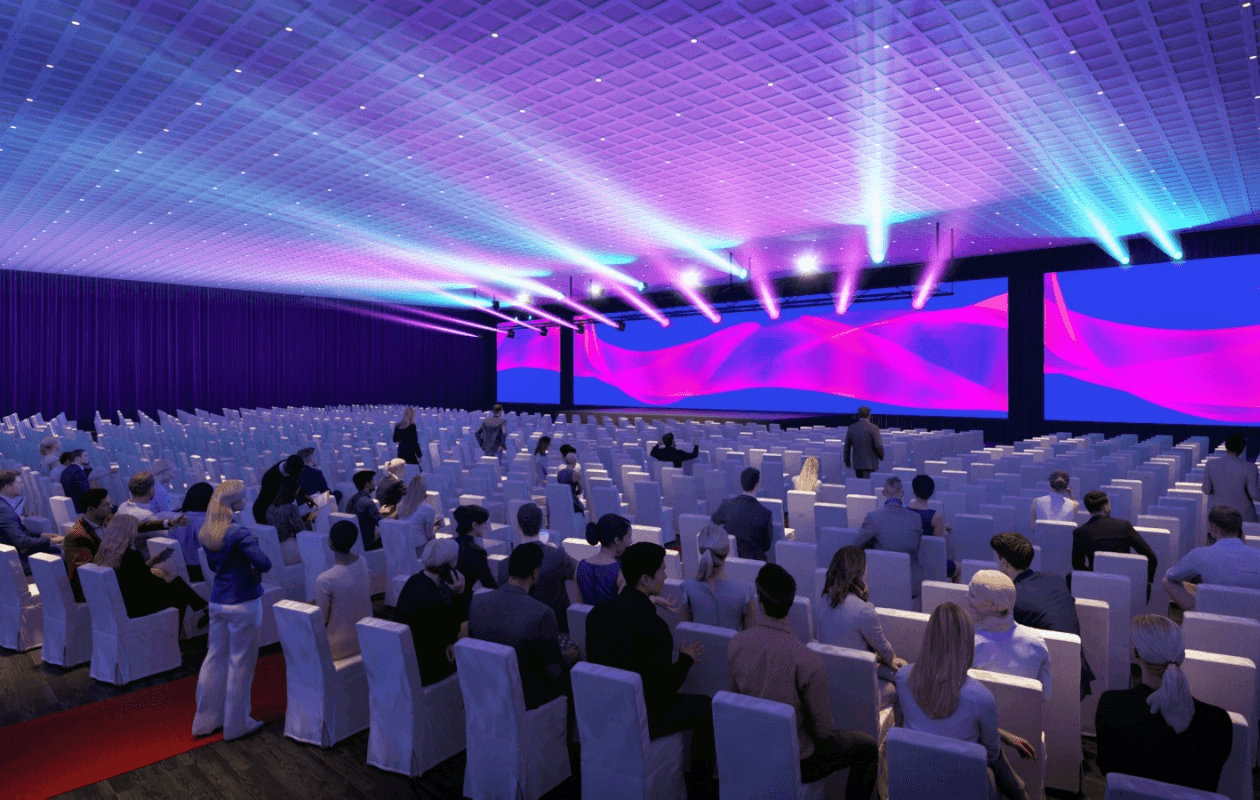
Corporate events are typically driven by clear, strategic objectives. Every element is planned with intention, from structured agendas and curated guest lists to venues that support presentations or professional interactions. For example, a seminar might feature keynote speakers and breakout discussions to encourage knowledge sharing. Meanwhile, a client appreciation dinner may prioritise polished service and subtle branding touches.
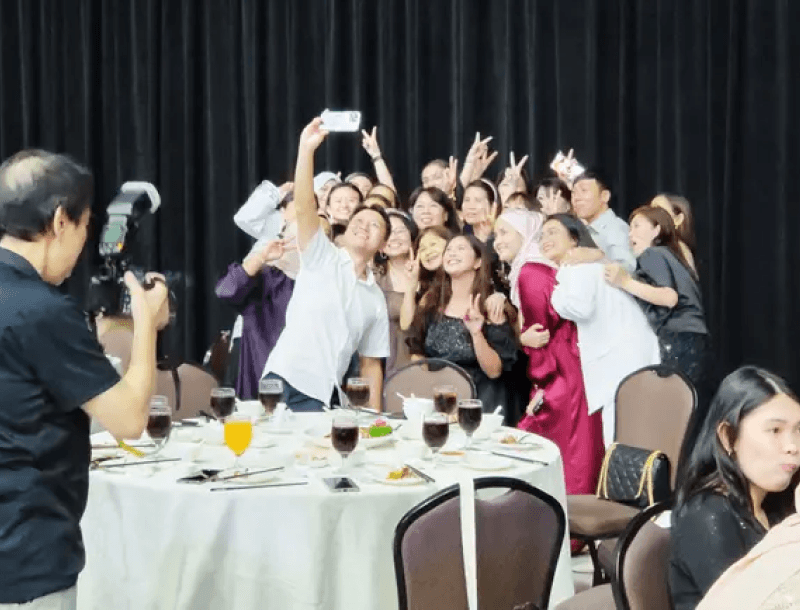
In contrast, personal social events are centred on celebration and emotional significance, marking milestones such as birthdays, weddings or anniversaries. The focus here shifts towards delivering meaningful experiences for guests, often through personalised décor, entertainment and a relaxed flow of activities. A birthday party might include themed styling and interactive games and a wedding could highlight sentimental moments like speeches and customised rituals.
Success Metrics and Outcomes
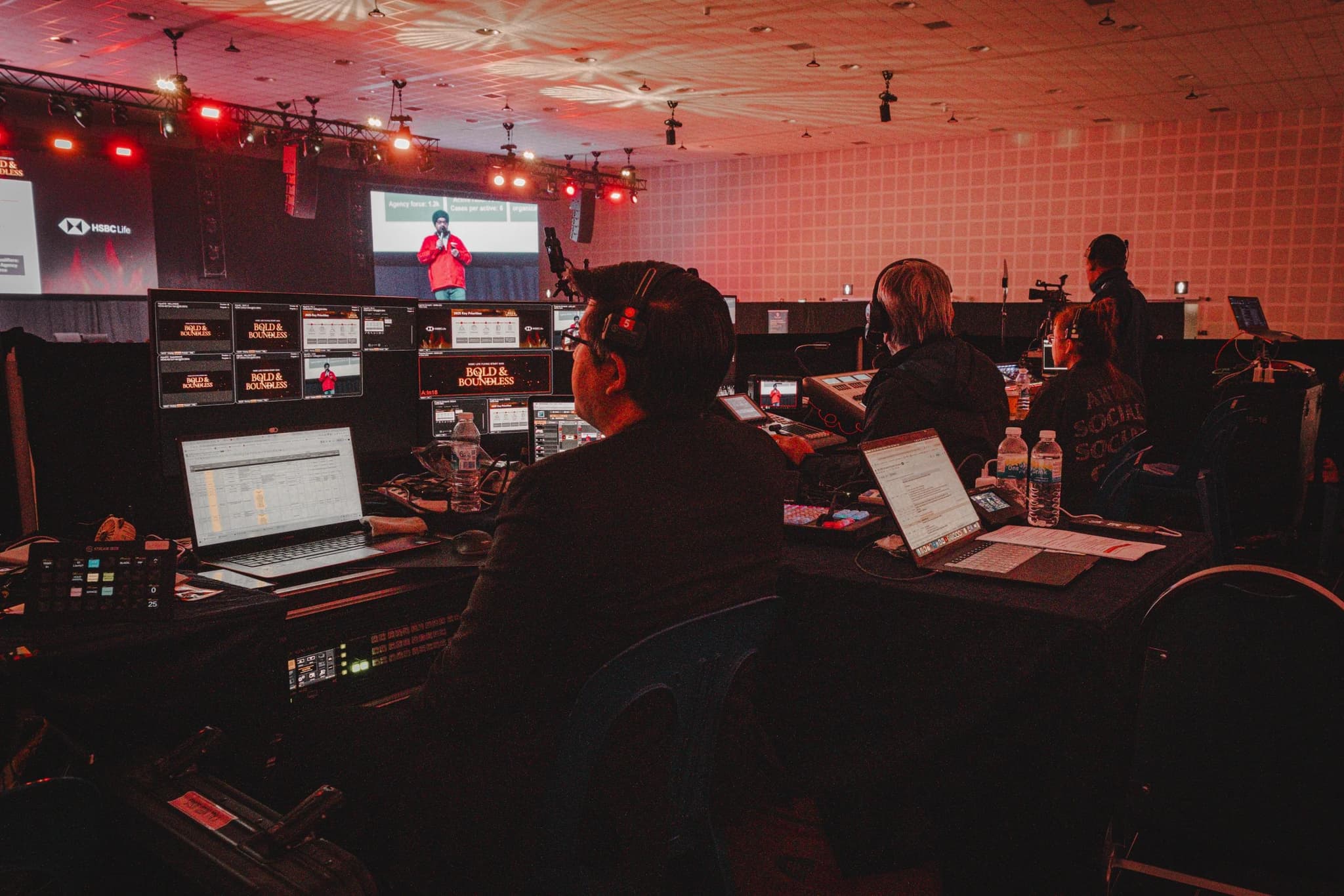
Post-event evaluation plays an important role in uncovering insights that can be used to refine and improve future events. Though emotional engagement remains integral across all event types, corporate events are usually assessed through tangible, performance-driven metrics such as attendance rates, audience engagement, lead generation, brand visibility and feedback from employees or clients. They are tied to broader business goals, where outcomes need to justify the investment and demonstrate a clear return, whether in the form of new business opportunities, strengthened partnerships or improved team morale.
Personal social events are less about quantifiable results and more about the quality of the experience itself. Success is reflected in emotional fulfilment and how memorable the event feels for the host and their guests, seen in shared moments, emotional connections and the overall atmosphere.
Planning Structure and Compliance
The way an event is planned largely depends on who is involved in the decision-making process. Corporate events require coordination across multiple parties, such as internal teams, management, external vendors and sometimes clients, each with their own expectations and approval procedures. This may lead to stricter timelines, layered decision-making and a more complicated workflow. To navigate this smoothly, establish clear roles and responsibilities from the outset, align objectives early and build in buffer time for approvals and revisions. Having a central point of contact and maintaining consistent communication can also help prevent delays or misalignment.
On the other hand, personal social events consist of fewer stakeholders, often just the host and close family or friends, allowing quicker decisions and greater flexibility. With less administrative complexity, organisers can focus on curating the guest experience, fine-tuning details like ambience, entertainment and personal touches that make the event feel special.
Risk Management and Compliance
In corporate events, the company’s image is inherently on the line, which raises the stakes and makes risk management and compliance far more critical than in personal settings. Therefore, these events demand stricter oversight, with considerations such as safety protocols, liability coverage, data privacy, and reputational risk coming into play. Organisations are accountable to employees, clients and the public and any misstep can have legal or brand implications. Conducting thorough risk assessments, working with vetted vendors, having proper permits and insurance and establishing clear contingency plans for potential disruptions can ensure smooth execution and minimise risk. It’s also important to safeguard attendee data through secure registration systems and make sure all event elements complement the company’s brand standards and policies.
With fewer compliance requisites, personal gatherings enable room for spontaneity. Hosts can embrace fluid programming, leaving room for impromptu speeches, games or shifts in flow based on the mood of the crowd. Leverage this by keeping the structure free and easy, prioritising adaptable vendors and creating an environment where guests feel comfortable engaging naturally.
Successful events come down to aligning the intent, structure and execution with the specific purpose of the occasion. Whether corporate or social in nature, understanding these distinctions drives better decision-making for a seamless and impactful event experience.
If you’re amid event planning and still figuring out how to tie everything together, we’re here to help. With D’Marquee and a wide range of MICE-ready venues, we simplify the process with versatile spaces and end-to-end event solutions designed to support both corporate functions and personal celebrations.